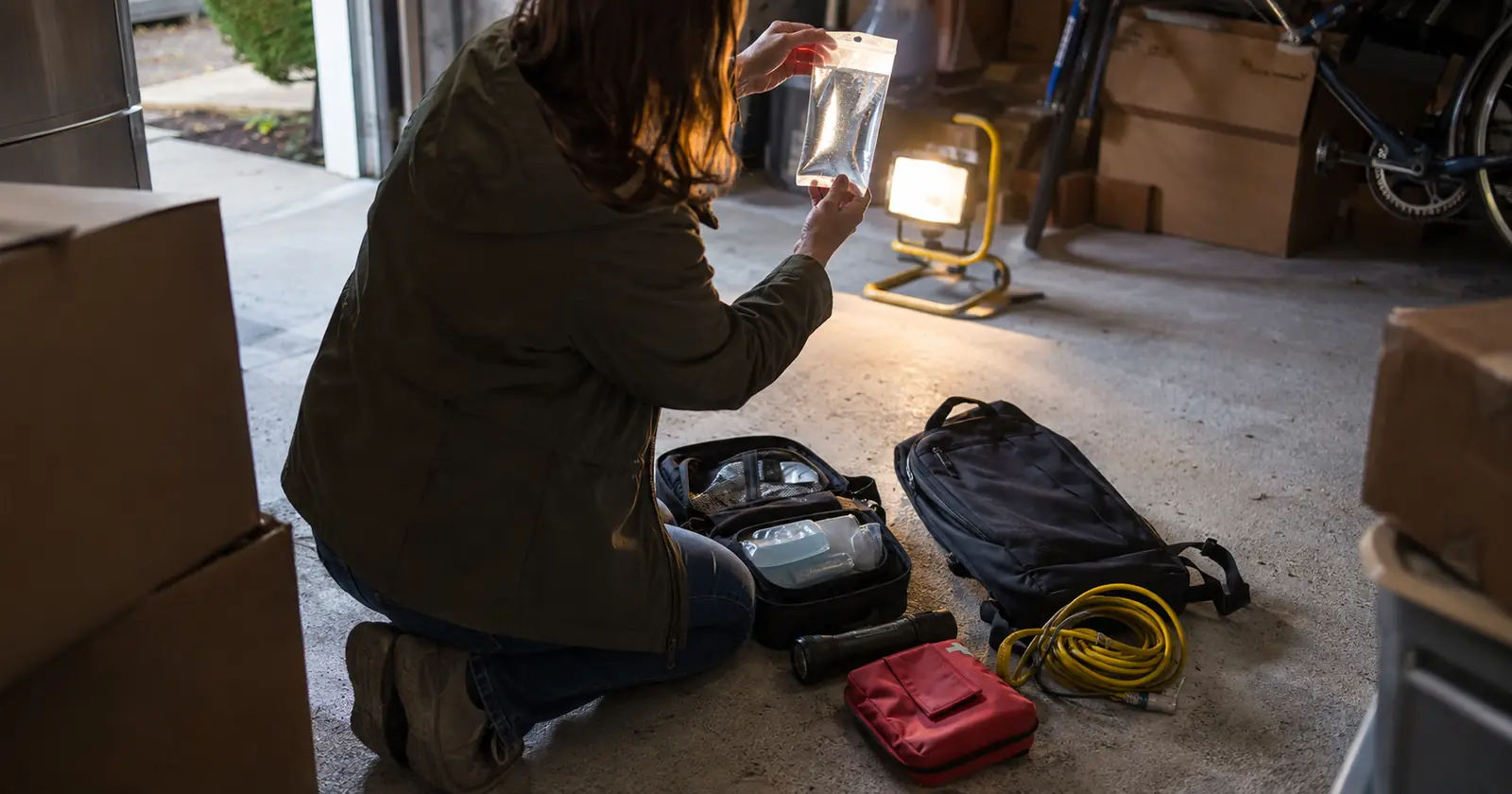

A 72-hour kit is three days of water, calories, warmth, light and first aid, in something you can carry. That's the whole specification. Everything else is packaging.
The reason ready-made kits vary so much in price is that they disagree about how much of that three days they actually cover. Several well-known kits ship with a few hundred millilitres of water and call it 72 hours. So the first thing I check on any kit is the water and calorie count, and it eliminates about half the market before I look at anything else.
How We Chose
We haven't tested these kits. No one here has opened one in the field, and I'm not going to pretend otherwise — a number of pages in this category do.
What this page is built on: manufacturer specifications, published contents lists, current prices checked in September 2026, and the findings of reviewers who did buy and test. Reviewed.com bought and unpacked the main kits. CNN Underscored ran a comparable exercise on bug-out bags. Where they found a flaw, it's here, because a specific flaw from someone holding the product is worth more than any superlative.
The Numbers That Decide It
Three specs separate a real kit from a box of shiny objects.
Water. The planning figure is a gallon per person per day. No portable kit carries three gallons per person, so what you're really buying is a bridge plus a means of treating more. A kit with purification tablets or a filter is doing the job. A kit with four small pouches and no filter is not.
Calories. Three days is somewhere around 6,000 calories per adult if you want to function rather than merely survive. Many one-person kits carry a fraction of that. Read the number, not the word "food".
Weight. The one that's hardest to find published clearly. A kit that weighs 15 pounds gets carried; one that weighs 35 tends to stay in a hallway.
The Picks
| Kit | Covers | Price | Notes |
|---|---|---|---|
| Uncharted SEVENTY2 | 1 person | 349 $ | 30+ tools, waterproof pack, colour-coded insert |
| Uncharted SEVENTY2 Pro | 2 people | 629 $ | 60+ tools, 36 L roll-top Barron pack. CNN Underscored rated its first aid kit a standout, and noted it ships with no drinkable water |
| Uncharted Basecamp 30L / 60L | 4 / 4–8 people | check current | Housed in a YETI GoBox. A stay-put kit, not something you carry |
| Sustain Supply Comfort4 | 4 people | 399.99 $ | 399.99 $, 32 lb. Eight emergency meal kits and two 2,400 cal bars, six 1 L AquaLiterz, four filter straws, Mora carbon knife, plus a wood stove and cookware most kits leave out |
| Ready America 72-Hour Deluxe | 1–2 people | budget tier | Reviewed.com's value pick. Basic contents, purification tablets included |
| Redfora Ready For Anything | 1–4 people, 3 or 7 days | 135 $ | Configurable by household size. Labelled bags, QR instruction videos, and a Refresh System that reminds you before the food and water date out. Reviewed found the PALS-style webbing too narrow to actually accept a MOLLE pouch |
What I'd Skip
Piece counts. "291 pieces" often means a hundred plasters and a pack of fish hooks. Composition matters, count doesn't.
Cardboard organisation inside a dry bag, which Reviewed found in the Judy. Waterproofing the outside and then filling it with something that fails when damp is the kind of detail that decides whether a kit works on day three.
Tactical styling. It costs more, weighs more, and in an evacuation you may end up in a shelter or at a checkpoint. Plain bag, same job.
Buy or Build
Under roughly 150 $, build. You'll get better water treatment, better food and a bag that fits the person carrying it, for the same money. Our printable checklist has the item list.
Above that, buying makes sense for one reason: it exists. A bought kit is packed today, and a kit you keep meaning to build isn't a kit. I'd take a mediocre kit by the door over a perfect one in a spreadsheet.
- Emergency & Survival Kits — the wider category, including home kits.
- Go Bags & Evacuation Bags — the checklist version.
- Emergency Backpacks — if the bag is your weak point.
Check the water and calorie figures on whatever you're considering before you look at anything else. It's two minutes, and it narrows the field quickly.
FAQ: 72-Hour Kits
What is a 72-hour kit?
Three days of water, food, warmth, light, first aid and tools for one household, packed and ready to grab. FEMA and the Red Cross both use 72 hours as the minimum self-sufficiency window.
How much water should a 72-hour kit hold?
The planning figure is a gallon per person per day, which no portable kit carries. Look for a filter or purification tablets alongside whatever drinking water it includes.
Is a ready-made kit better than building one?
Above roughly 150 $, a good ready-made kit is competitive and saves an afternoon. Below that, building your own gets you better water treatment and better food for the same money.
How often do I need to replace the contents?
Check food, water and batteries once a year. Buy from a manufacturer that sells refills — resupply is what determines whether the kit lasts a decade or five years.
Do you test these kits yourselves?
No, and we say so. This page is built on manufacturer specifications, published contents, current prices, and the findings of reviewers who bought and tested — Reviewed.com and CNN Underscored among them.
Sources
- Uncharted Supply Co — product specifications and pricing, checked September 2026
- Reviewed.com — hands-on testing of emergency kits
- CNN Underscored — bug-out bag testing
- Ready.gov and FEMA — 72-hour self-sufficiency guidance
When a warning is active, follow local authorities and official emergency instructions before any general guidance. See our Editorial Policy and Sources & Fact-Checking.