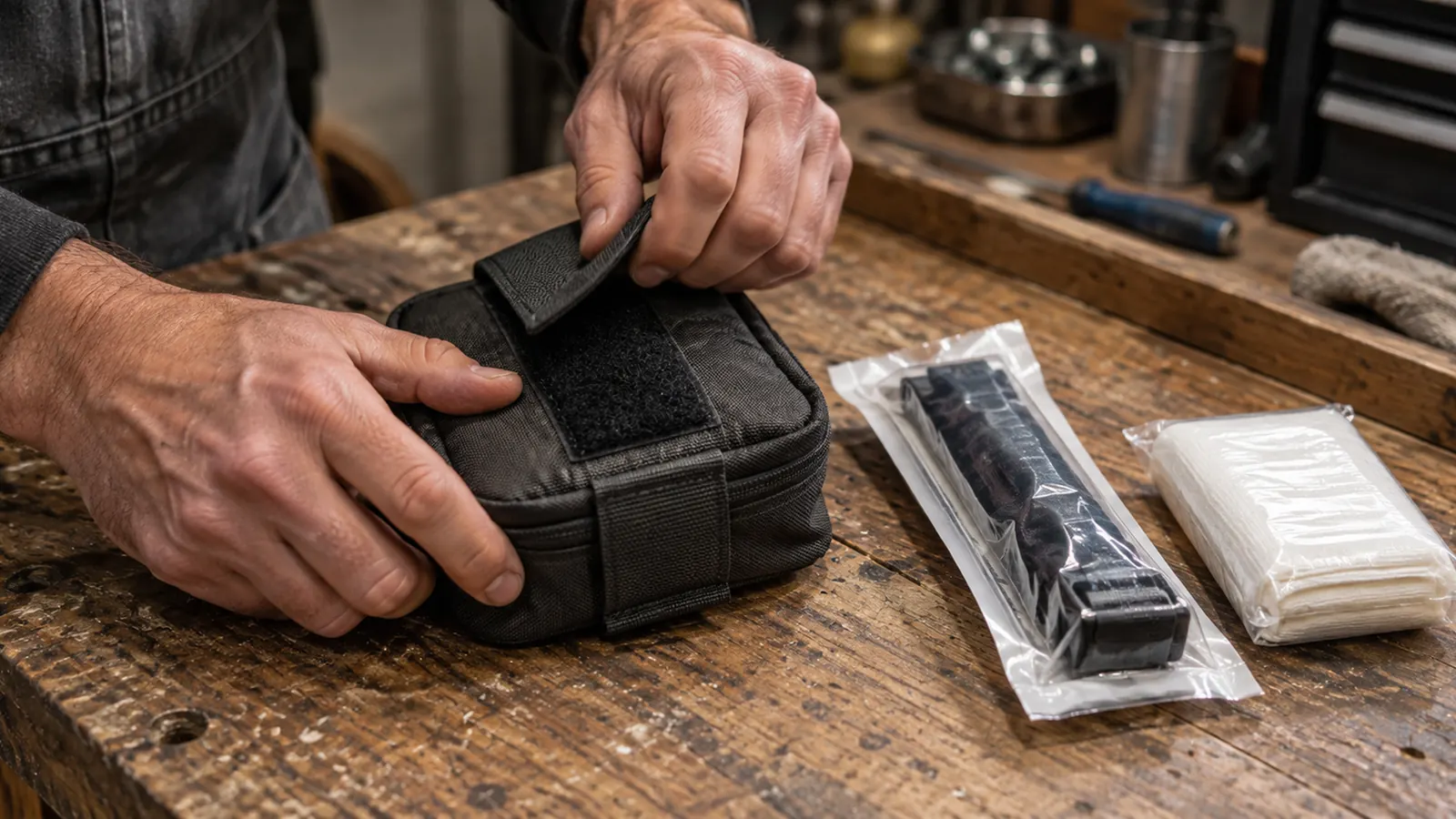
A trauma kit answers one question a first aid kit cannot: what to do when someone is losing blood faster than their body can spare it. That's a narrow job, and it comes with an obligation attached.
The obligation is training. A tourniquet applied wrongly is worse than no tourniquet, and the equipment in these kits is designed around techniques you have to be shown. Buying one without the course is buying reassurance, not capability.
How We Chose
We haven't tested these, and we don't teach the techniques. OutdoorGearLab bought and tested 15 first aid kits with ski patrollers, EMTs and Wilderness First Responder candidates, and one of them is built for trauma; that is the kit named here, with the weaknesses they recorded. Everything about technique defers to Stop the Bleed and the American College of Surgeons.
What a Trauma Kit Treats, and What It Doesn't
It treats catastrophic haemorrhage, and a short list of things that will kill someone in minutes rather than hours. It does not treat the grazes, burns, splinters and headaches that make up almost everything a household actually encounters.
That distinction is the reason a trauma kit is an addition and never a substitute. Households that buy one instead of an ordinary kit end up with haemostatic gauze and no plasters.
The realistic case for owning one is specific: you work with power tools or machinery, you're often far from an ambulance, you hunt or ride, or you've done the training and want the equipment to match it.
The Trauma Kit Contents That Define the Category
Four items separate a trauma kit from a well-stocked first aid kit. Everything else is packaging.
A windlass tourniquet — a recognised, tested design rather than an unbranded copy. This is the item most often faked online, and a failed tourniquet is a fatal failure.
A pressure dressing, sometimes called an emergency bandage, which applies and holds pressure without a second pair of hands.
Haemostatic gauze, which is packed into a wound to help clotting where a tourniquet cannot be applied — neck, groin, armpit.
Nitrile gloves, and more than one pair. The unglamorous item that everything else depends on.
Beyond those four, trauma kit supplies commonly include shears that cut through clothing and seatbelts, a chest seal for penetrating chest wounds, a marker for writing the time of application, and a foil blanket. Quantities matter less than being able to reach the tourniquet one-handed.
| Kit | Weighed | List price | What testers found |
|---|---|---|---|
| MyMedic MyFAK | 31 oz | $180 | Best for trauma response, score 78. Pressure bandages, saline irrigation tubes, medical-grade thermometer, trauma shears, and a tear-away pocket kit testers singled out. Ballistic nylon case. Heaviest kit in the test, bulky, and the manual is an eBook only — of little use with no signal |
| Surviveware Small | 16 oz | $75 | Not a trauma kit, but the closest of the general kits — hospital-grade trauma shears, forceps, CPR mask. No tourniquet, no haemostatic gauze. A good base to build on |
The Training Without Which None of It Works
Stop the Bleed was created after mass-casualty events on exactly this premise: bystanders are always first on scene, and bleeding control is teachable in an afternoon. The American College of Surgeons runs the programme, and courses are listed publicly.
What you learn is short. Where to press. How to pack a wound, which is not intuitive and is the part people get wrong. How tight a tourniquet actually goes — far tighter than anyone expects — and that once it's on, it stays on until a clinician removes it.
If you want the broader version, First Aid Training covers certification, costs and what online courses are and aren't worth. And the everyday kit that sits alongside this one is in First Aid Kits.
Book the course this month. The equipment decision gets much easier once you've held the gear.
FAQ: Trauma Kits
What is in a trauma kit?
A windlass tourniquet, a pressure dressing, haemostatic gauze and gloves, usually with trauma shears, a chest seal and a marker. It is built for catastrophic bleeding, not for everyday injuries.
Do I need training to use one?
Yes. Tourniquet application and wound packing are taught techniques, and doing them wrongly can worsen the outcome. Stop the Bleed courses are short and widely available.
What is a chest seal for?
A penetrating wound to the chest, where air entering the chest cavity is itself the danger. It is a specific tool for a specific injury and sits firmly on the trained side of the line.
Does a trauma kit replace a first aid kit?
No. It handles minutes-matter bleeding and almost nothing else. You still need an ordinary kit for burns, cuts, blisters and headaches.
Do you test these kits?
No, and we do not teach technique. We use OutdoorGearLab's testing of 15 purchased kits and defer entirely to Stop the Bleed and the American College of Surgeons on method.
Sources
- OutdoorGearLab — first aid kit testing, 15 kits purchased and field tested, updated April 2025
- Stop the Bleed / American College of Surgeons — bleeding control training and guidance
- American Red Cross — severe bleeding first response
- Manufacturer specifications and list prices, checked September 2026
This page is general information, not medical advice, and does not teach clinical technique. When an emergency is underway, follow 911 dispatchers and emergency services before any general guidance. See our Editorial Policy and Sources & Fact-Checking.